

Available 24/7
Lot Preparation and Foundation Work, Unified Solutions and Services
Lot Preparation and Foundation Work for Mobile Homes
Your mobile home needs a properly prepared lot with stable foundation support and correct drainage. We handle complete site preparation including land clearing, grading, foundation pad installation, and utility trenching. Proper lot prep prevents settling, water damage, and foundation problems that cost thousands to fix later.
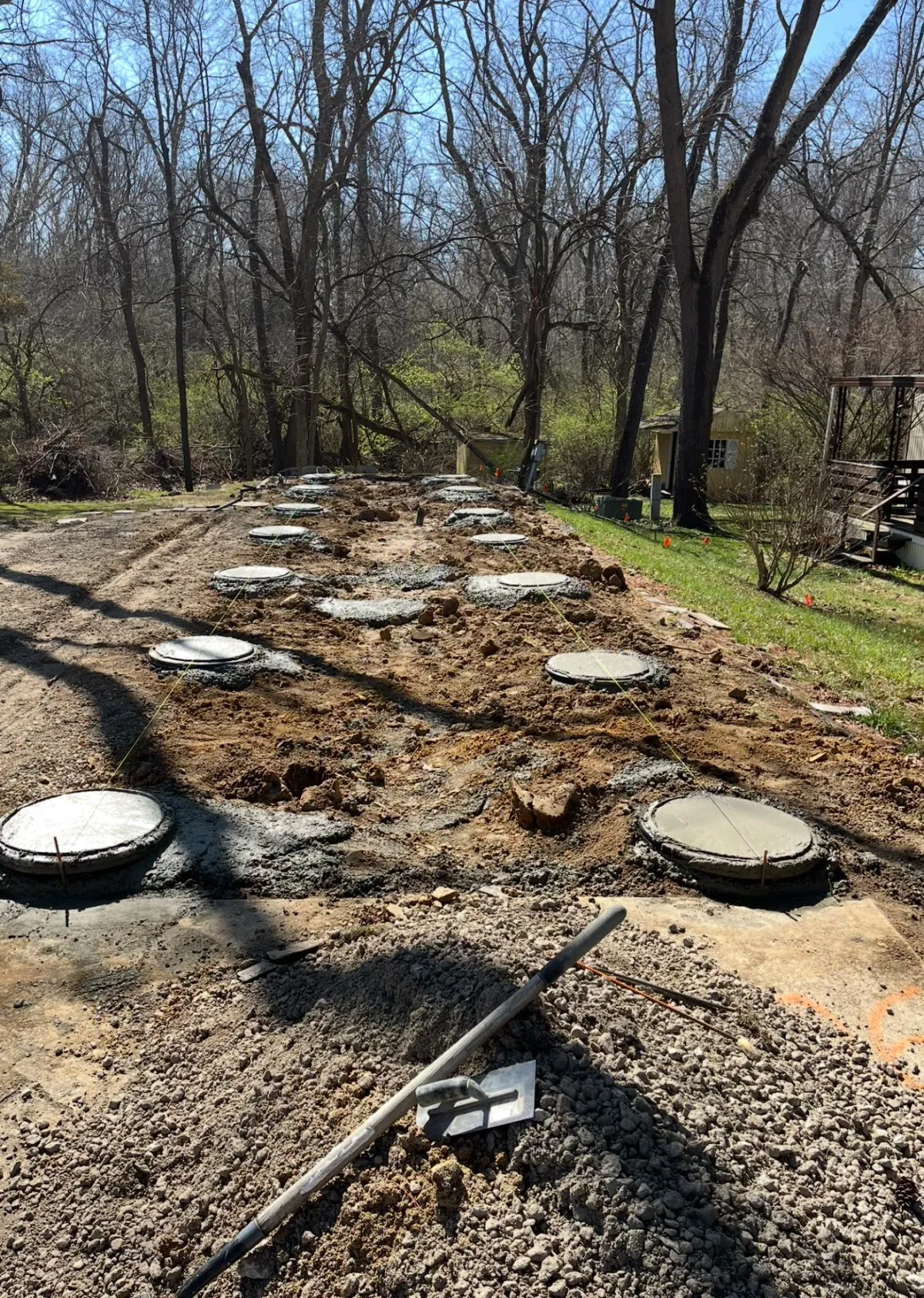
Setting a mobile home on unprepared ground leads to problems within months. The home settles unevenly, water pools underneath causing floor rot, and foundation supports sink into soft soil. Lot preparation isn't just clearing brush and leveling dirt. The site needs proper compaction, drainage slope away from the home, stable foundation materials, and utility trenches positioned correctly. We cleared and prepped a lot near Mahomet last fall where the property had a natural low spot right where the home would sit. Instead of just filling it, we regraded the entire area to direct water away, built up the pad with compacted gravel, and installed drainage around the perimeter. That home has stayed level through a wet winter and spring thaw. Good lot prep costs money upfront but saves you from expensive foundation repairs, releveling charges, and water damage down the road. We bring the equipment and knowledge to prepare your lot correctly the first time.
Our Lot Preparation and Foundation Work Service Includes:
Land Clearing and Grading
We clear vegetation, remove stumps and roots, and grade your lot to proper elevations. The site gets sloped for drainage away from where your home will sit. Low spots get filled and compacted, high spots get cut down, and the entire area gets leveled within tolerances. Proper grading prevents water from pooling under your home and ensures stable foundation support.
Foundation Pad Construction
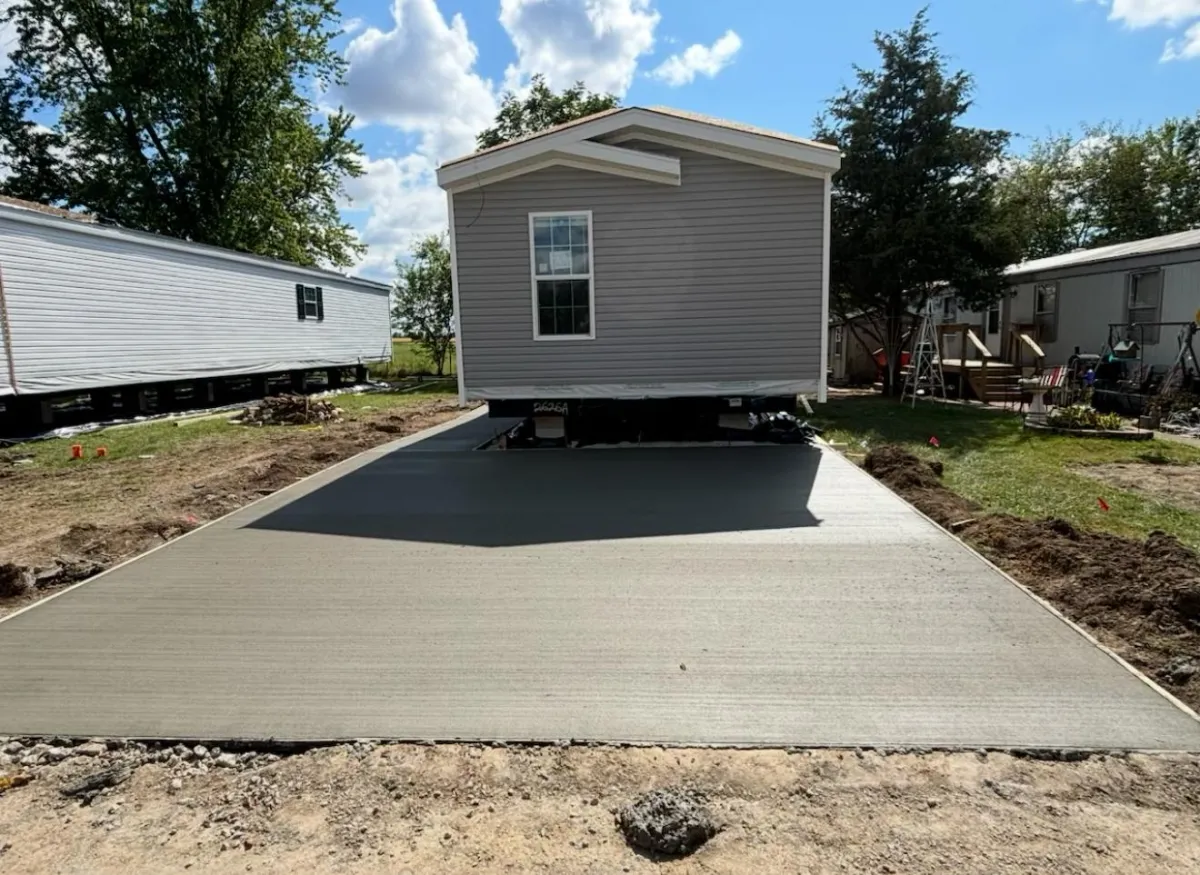
Mobile homes need stable foundation support using either gravel pads, concrete runners, or pier systems. We build compacted gravel pads rated for your home's weight, pour concrete foundation strips where required, or install pier footings below frost line. The foundation type depends on soil conditions, local codes, and your budget. Every foundation gets built to support your home's load points correctly.
Utility Trenching and Site Development
Before your home arrives, we dig trenches for water, sewer, electrical, and gas lines from connection points to where utilities will enter your home. Trenches get dug to code-required depths with proper slope for drainage lines. We coordinate with utility companies on connection locations and mark everything clearly. Site development includes driveway access, parking areas, and any additional site improvements needed.
Our Simple 3-STEP Lot Preparation and Foundation Work PROCESS
1
Site Assessment and Planning
We visit your property to evaluate soil conditions, identify drainage issues, locate utility access points, and note any obstacles like trees or rocks. You show us your property boundaries and where you want the home positioned. We measure elevations, test soil if needed, and create a site plan showing grading, foundation layout, and utility routes.
2
Clearing and Grading Work
Our equipment clears vegetation, removes debris, and excavates to proper elevations. We grade the site for drainage, compact fill material in layers, and build up the foundation pad. Utility trenches get dug to required depths. The lot gets shaped so water flows away from your home site in all directions.
3
Foundation Installation and Final Prep
We install your chosen foundation system—gravel pad, concrete runners, or pier footings. Everything gets leveled and checked for proper height and spacing. Utility trenches remain open for line installation. The site gets inspected to verify it meets local codes before your home arrives. You get a prepared lot ready for setting day.
Ready to get started?
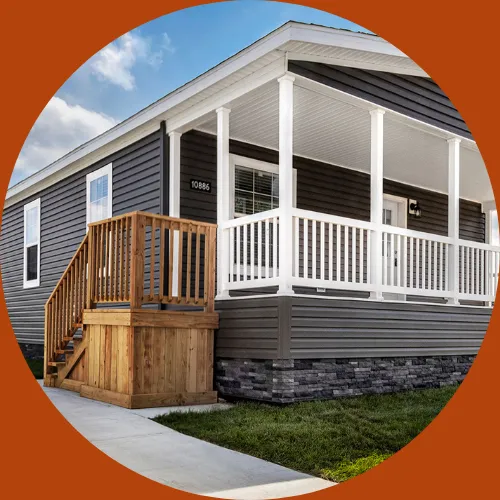
Mobile home arriving soon? Rehab project getting out of hand? Utility hookups holding you up?
We handle Tough Mobile Home Repairs. Call us today!
Frequently Asked Questions
Got Questions? We’ve Got Answers!
How much does lot preparation cost for a mobile home?
Basic lot preparation costs $3,000 to $6,000 for clearing, grading, and simple pad construction. Properties needing extensive grading, drainage work, or difficult access cost $6,000 to $12,000 or more. Rocky soil requiring excavation, steep slopes, or heavily wooded lots increase costs. We provide written estimates after evaluating your specific property conditions.
How long does it take to prepare a lot for a mobile home?
Most lot preparation takes 5 to 10 days depending on property size, soil conditions, and weather. Simple lots with minimal clearing finish faster than properties needing extensive grading or tree removal. Wet weather delays work because equipment can't operate on saturated ground. We provide realistic timelines after assessing your property.
What type of foundation is best for a mobile home?
Foundation choice depends on soil type, local codes, and budget. Compacted gravel pads work well for stable soil and cost less. Concrete runners provide permanent support and work better for soft or clay soil. Pier and beam systems handle sloped lots and poor drainage areas effectively. We recommend the best foundation type after evaluating your property.
Do I need permits for lot preparation?
Most counties require permits for significant grading, foundation work, and utility installations. Permit requirements cover drainage plans, foundation specifications, and environmental considerations. We handle permit applications and coordinate required inspections. Working without permits can result in fines and requirements to redo work.
Can you prepare lots with difficult access or steep slopes?
Yes, we handle challenging properties including steep slopes, limited access, and difficult terrain. These sites require additional equipment, more extensive grading, and often specialized foundation systems. Costs increase for difficult properties because work takes longer and requires more materials. We evaluate your property and recommend solutions during the planning phase.
What if I have more questions?
You can reach us at (217) 480-6344 or email us at [email protected] for more information — we’re always happy to help.
Everything You Need to Know Before Booking our Mobile Home Services services.


Get Help in 30 Minutes!
HUD Licensed Mobile Home Specialists
Contact Us
Social


Quick Links
Services
Locations
