

Available 24/7
Mobile Home Skirting Installation, Unified Solutions and Services
Professional Mobile Home Skirting Installation and Repair
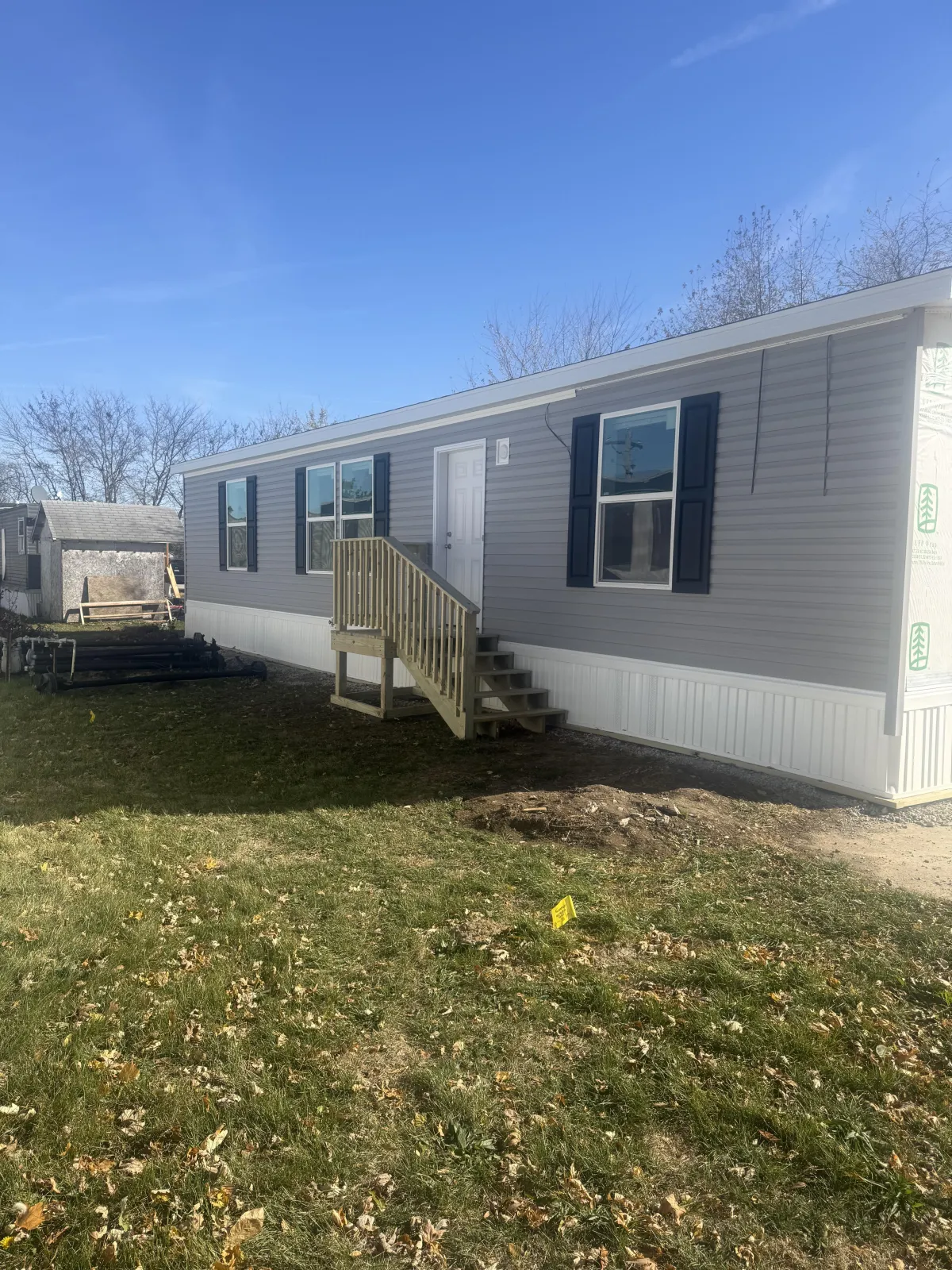
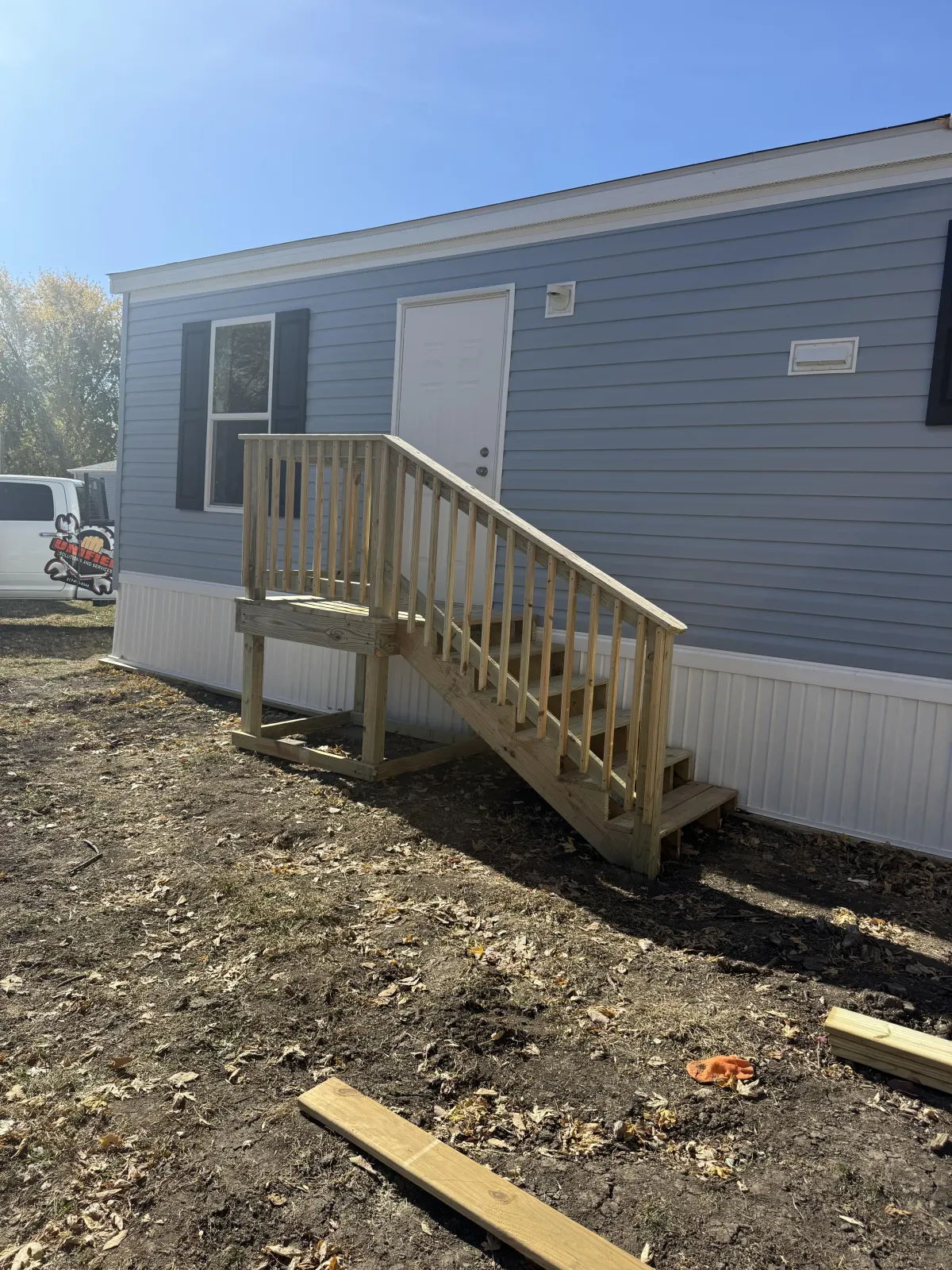
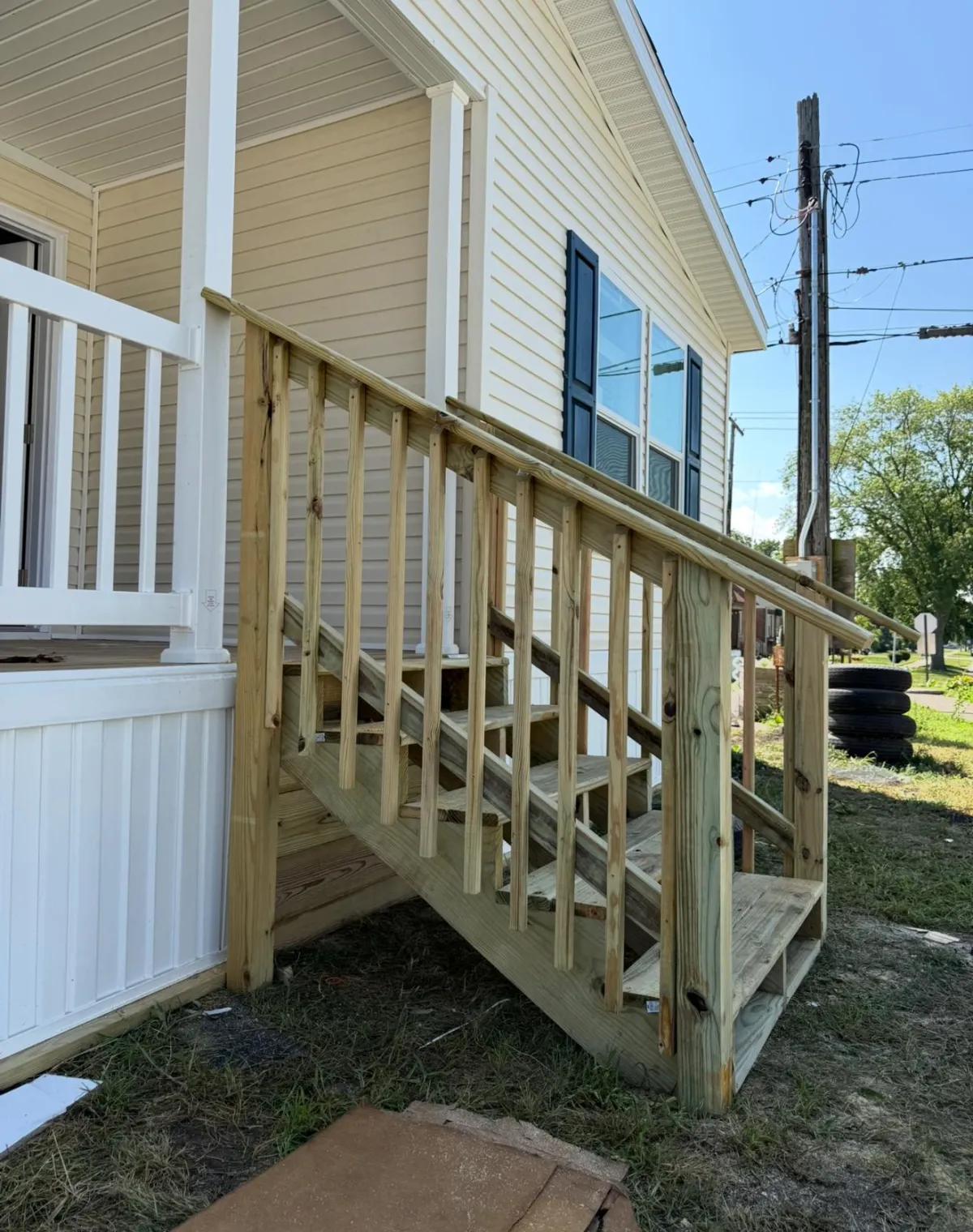
Your mobile home needs proper skirting to protect the undercarriage from weather, pests, and freezing temperatures. We install vinyl, metal, and masonry skirting that fits correctly, ventilates properly, and meets local codes. Damaged skirting gets replaced fast so your home stays protected year-round.
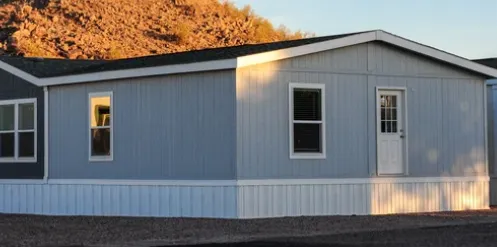
Skirting does more than make your mobile home look finished. It blocks wind from freezing your pipes, keeps animals from nesting under your home, and prevents moisture damage to floor joists and insulation. Cheap skirting blows off in storms or gaps at the bottom where animals squeeze through. We measure your home's perimeter precisely, install ventilation panels where code requires them, and secure everything so it stays put through winter storms and summer heat. A homeowner near Bloomington called us after raccoons tore through damaged vinyl skirting and destroyed insulation underneath. We replaced the entire perimeter with reinforced vinyl, added proper vents, and sealed every gap. Good skirting protects your investment and keeps utility bills lower by reducing drafts under your home.
Our Mobile Home Skirting Installation Service Includes:
Vinyl Skirting Installation
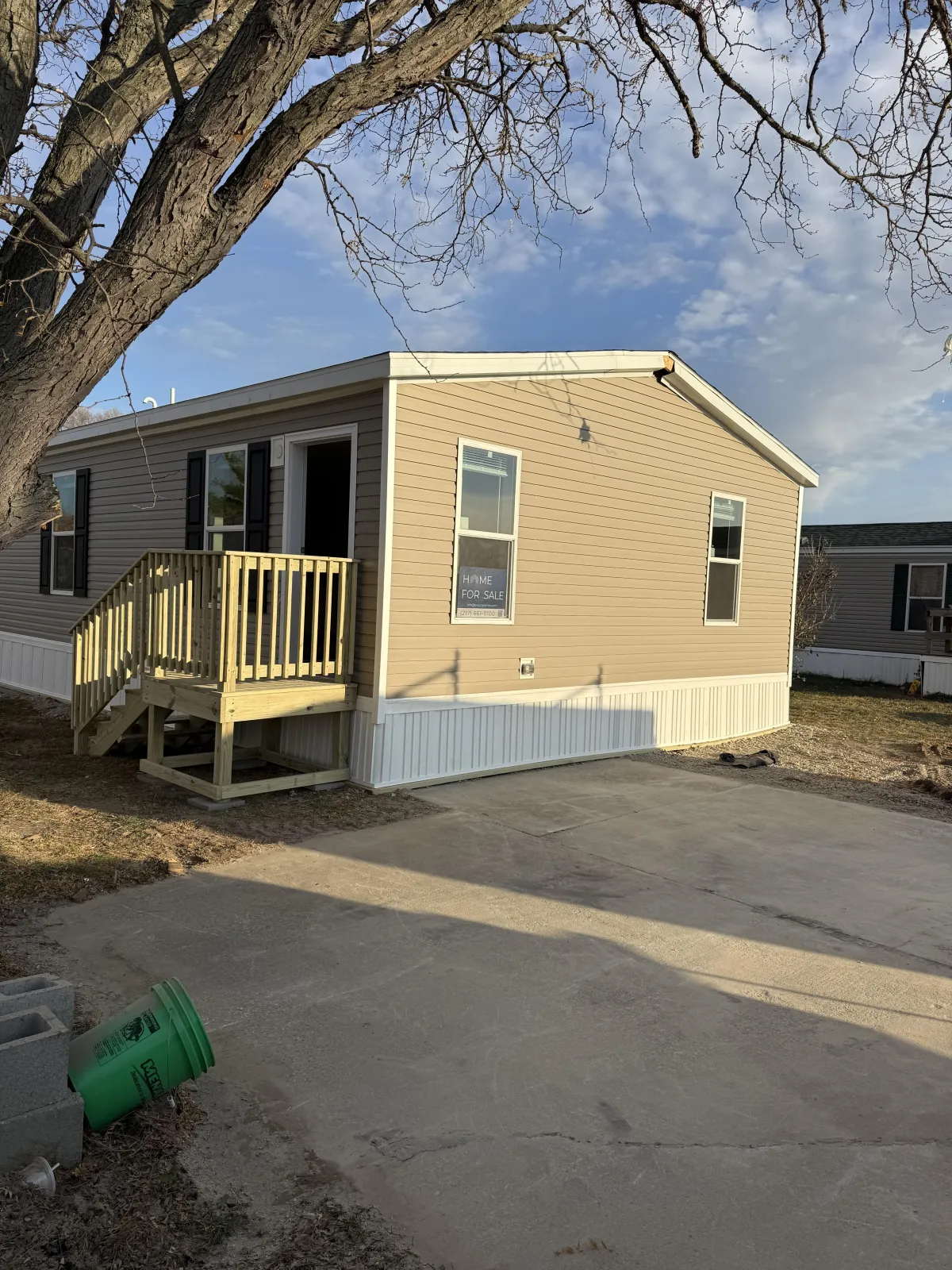
Vinyl is the most common skirting material because it costs less and installs quickly. We use commercial-grade vinyl rated for sun exposure and temperature changes. Panels interlock securely and attach to a bottom rail that keeps them stable. Vinyl skirting comes in multiple colors to match your home and requires minimal maintenance beyond occasional washing.
Metal Skirting Installation
Metal skirting lasts longer than vinyl and handles impact better. We install aluminum or steel panels with baked enamel finish that resists rust and fading. Metal costs more upfront but often outlasts vinyl by 10 years. It works well in areas with severe weather or where animals frequently damage skirting. The panels mount on a track system that allows easy access for repairs underneath your home.
Brick and Stone Skirting
Permanent skirting using brick, stone, or concrete block adds value and never needs replacement. We build a foundation footer, lay courses of brick or block, and finish with mortar joints. This option costs significantly more but looks better and requires zero maintenance. Brick skirting works best if you plan to keep the home long-term and want a house-like appearance.
Our Simple 3-STEP Mobile Home Skirting Installation PROCESS
1
Measurement and Material Selection
We measure your home's perimeter, note ground slope and obstacles, and calculate how many panels you need. You choose between vinyl, metal, or masonry skirting based on budget and appearance goals. We explain ventilation requirements and show you color options. You get a written estimate covering materials, labor, and timeline.
2
Site Prep and Installation
We level the ground around your home's perimeter if needed and install bottom track or footer. Skirting panels get cut to exact dimensions, ventilation panels go in code-required locations, and everything attaches securely. Access doors get installed where you need to reach under the home. We work around utility connections and ensure proper clearance for air flow.
3
Final Inspection and Cleanup
After installing all panels, we check that ventilation meets code requirements, test access doors for secure closure, and seal any gaps at corners or transitions. You walk around the home with us to verify everything looks right. We remove old skirting and dispose of it properly. Your home's undercarriage stays protected and looks finished.
Ready to get started?
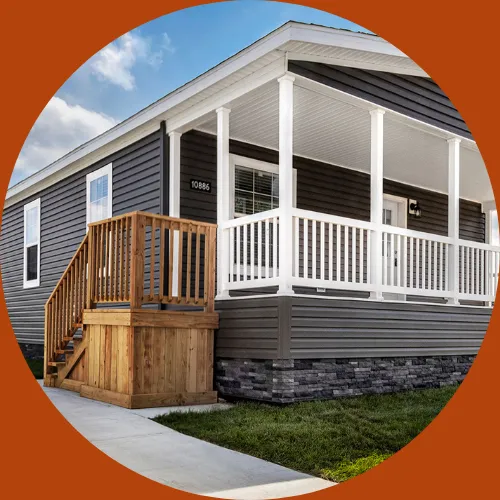
Mobile home arriving soon? Rehab project getting out of hand? Utility hookups holding you up?
We handle Tough Mobile Home Repairs. Call us today!
Frequently Asked Questions
Got Questions? We’ve Got Answers!
How much does mobile home skirting installation cost?
Vinyl skirting costs $8 to $15 per linear foot installed, while metal skirting runs $12 to $20 per linear foot. A standard single-wide needs about 200 linear feet, totaling $1,600 to $3,000 for vinyl or $2,400 to $4,000 for metal. Brick or stone skirting costs significantly more but lasts permanently. We provide exact quotes after measuring your home.
How long does mobile home skirting last?
Quality vinyl skirting lasts 10 to 15 years with proper installation and occasional maintenance. Metal skirting typically lasts 20 to 25 years. Brick or stone skirting lasts the lifetime of your home. Skirting fails early when installed incorrectly, lacks proper ventilation, or gets damaged by impacts or severe weather. We install skirting that maximizes lifespan.
Do I need ventilation in mobile home skirting?
Yes, building codes require ventilation to prevent moisture buildup under your home. The standard is one square foot of vent area for every 150 square feet of underfloor space. Without adequate ventilation, moisture causes mold growth, insulation damage, and wood rot in floor joists. We calculate and install the correct amount of ventilation for your home size.
Can you replace just damaged sections of skirting?
Yes, we replace individual damaged panels if we can match your existing skirting material and color. Vinyl and metal panels are typically available in standard sizes. If your skirting is older or discontinued, we may need to replace an entire side to maintain uniform appearance. Partial replacement costs less than complete replacement when matching is possible.
How do you keep animals from getting under mobile home skirting?
Proper installation eliminates gaps where animals enter. We secure the bottom track tightly to the ground, seal corners and transitions, and ensure panels overlap correctly. Access doors get latches that animals can't open. Wire mesh covers ventilation openings to allow air flow while blocking pests. Even small gaps need sealing because mice squeeze through openings smaller than a quarter.
What if I have more questions?
You can reach us at (217) 480-6344 or email us at [email protected] for more information — we’re always happy to help.
Everything You Need to Know Before Booking our Mobile Home Services services.


Get Help in 30 Minutes!
HUD Licensed Mobile Home Specialists
Contact Us
Social


Quick Links
Services
Locations
