

Available 24/7
Mobile Home Setting and Installation, Unified Solutions and Services
Professional Mobile Home Setting and Installation Services
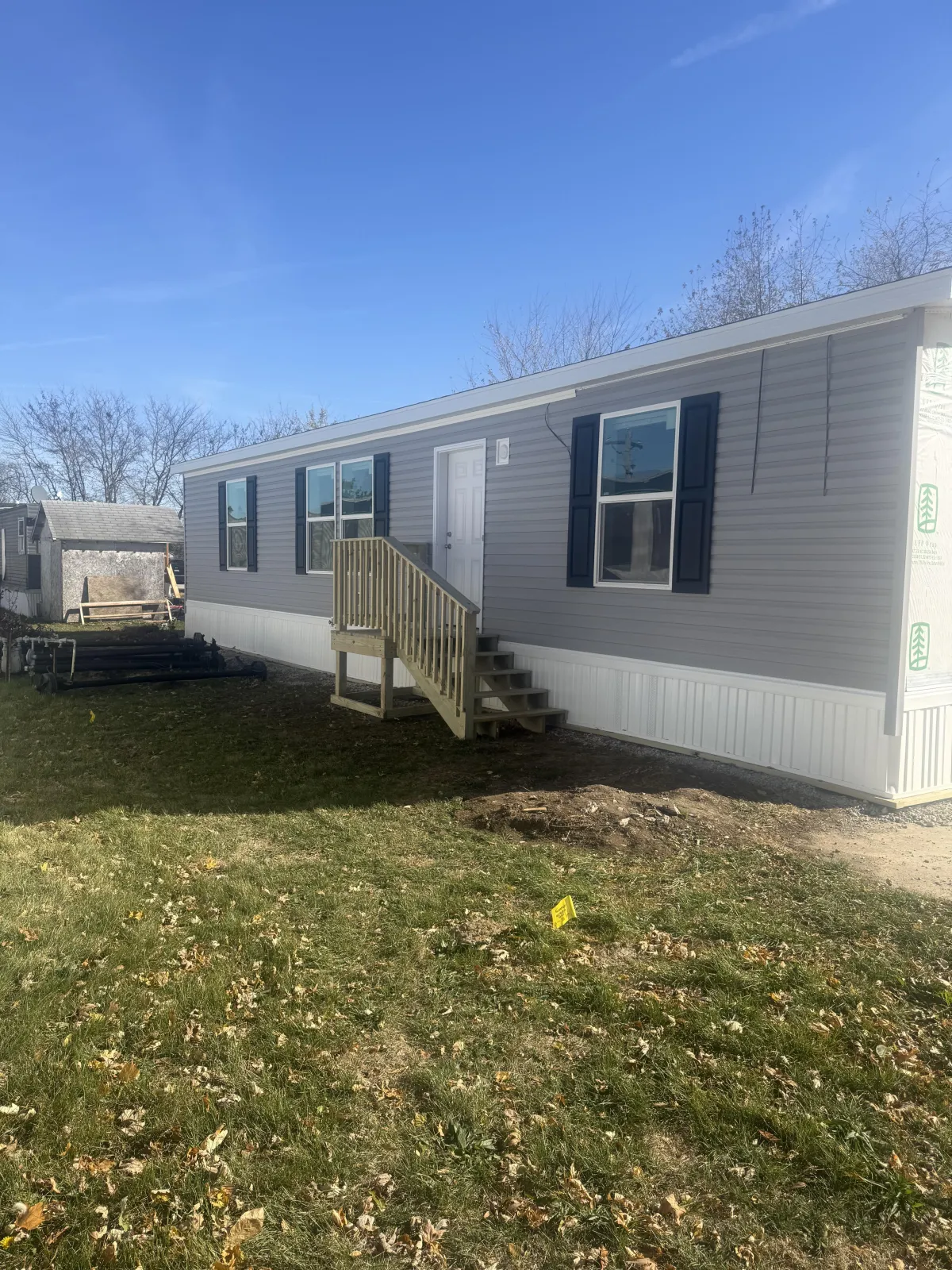
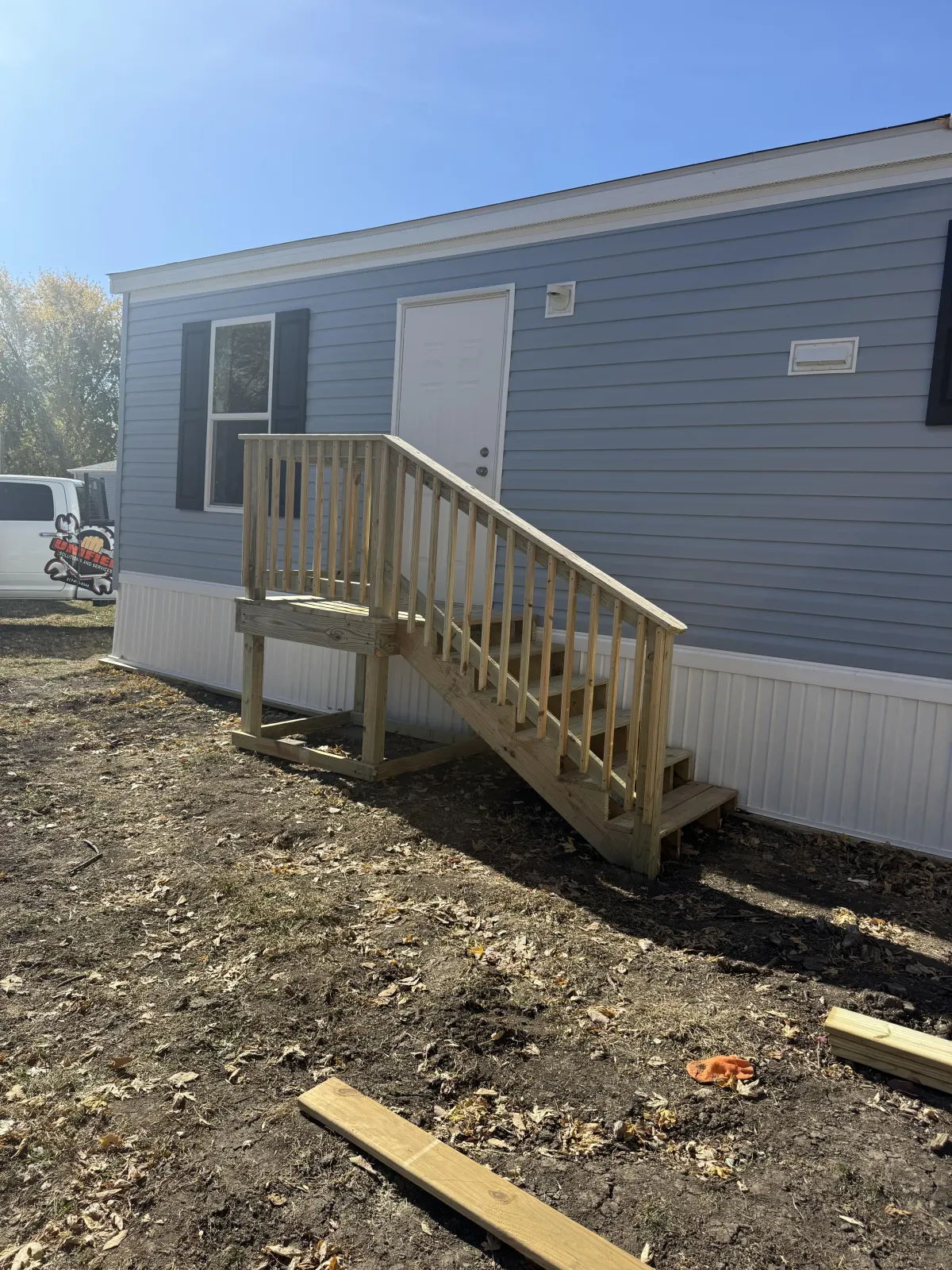
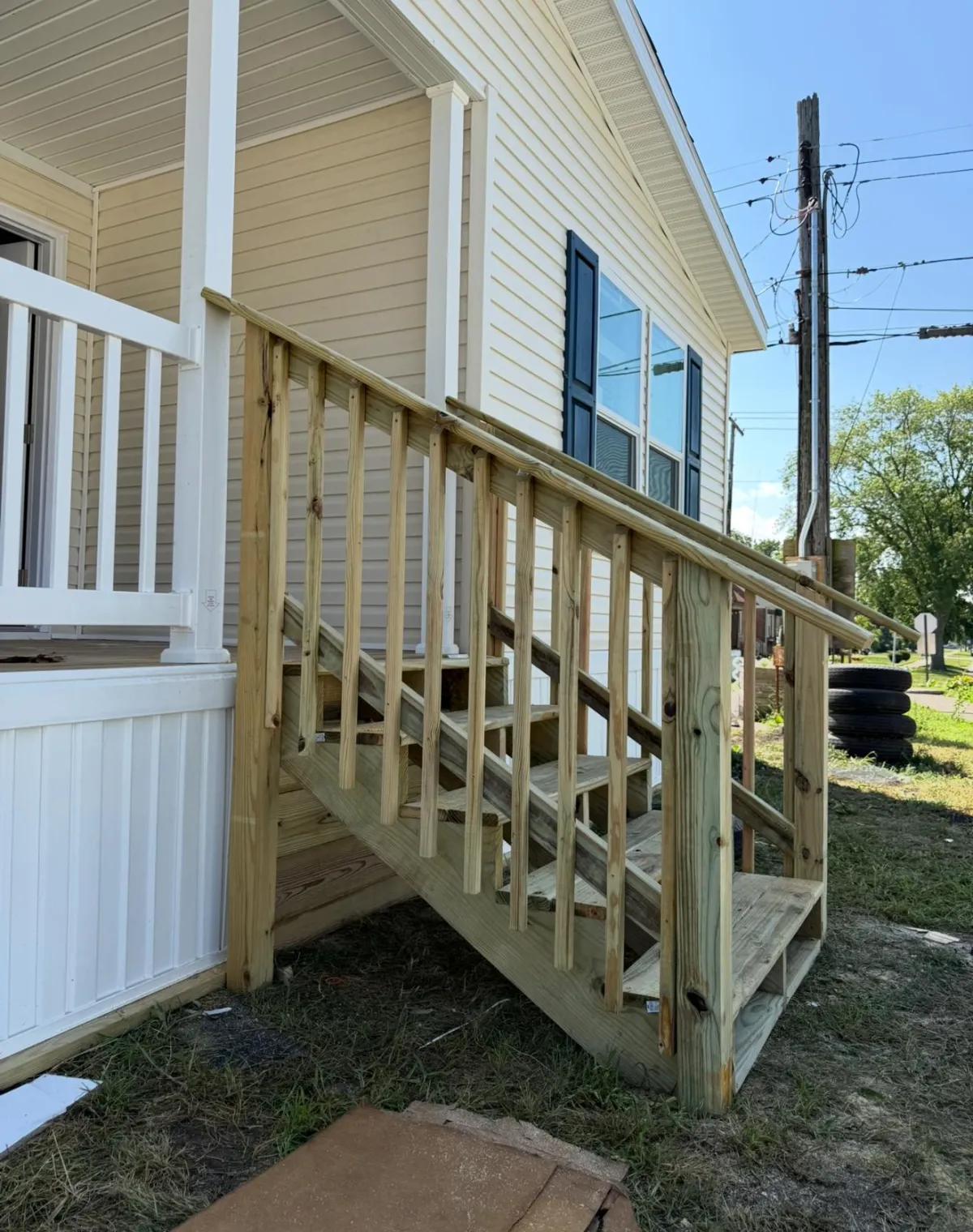
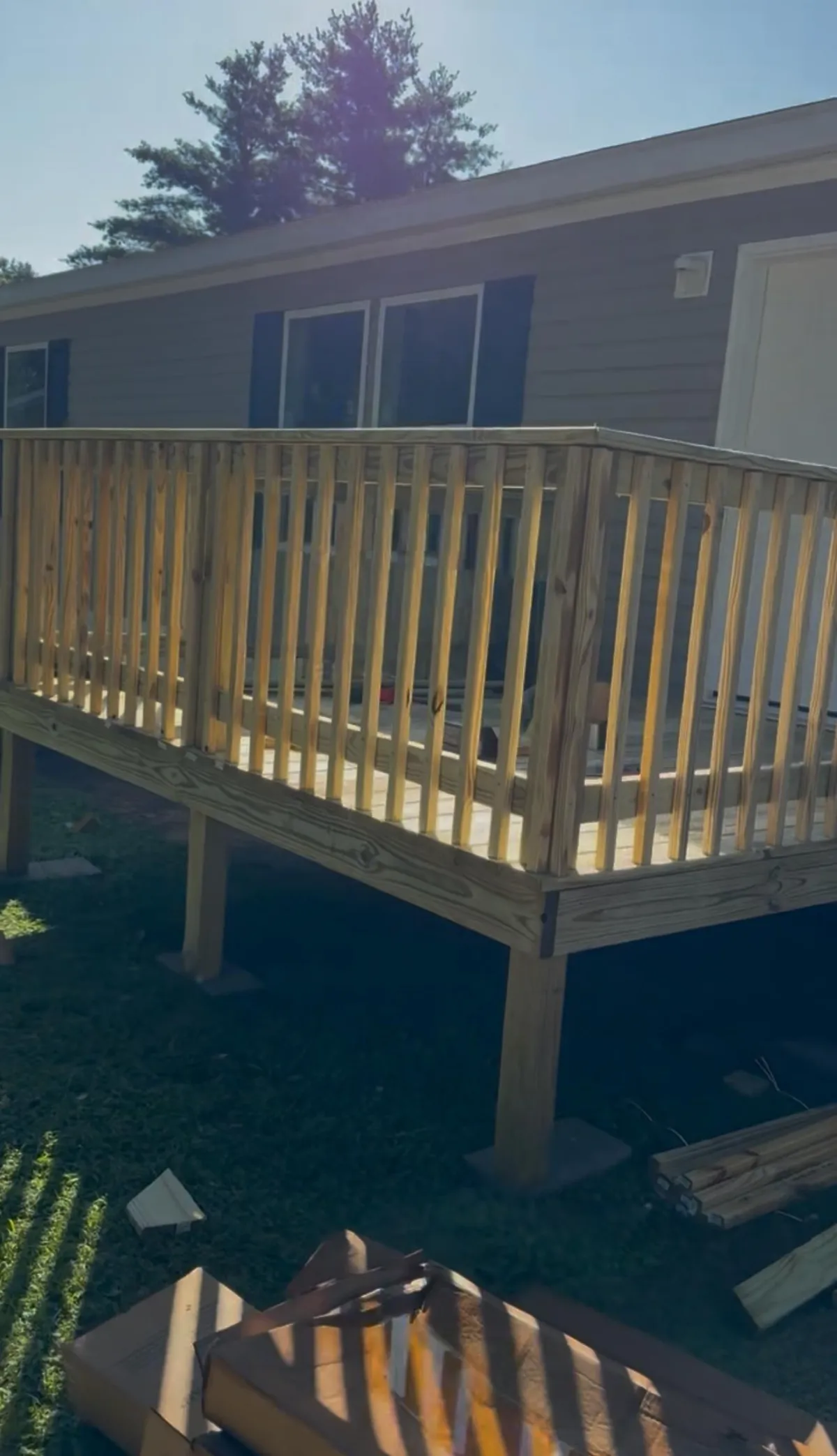
Your mobile home needs precise leveling, anchoring, and foundation work to sit safely and last decades. We handle complete setting services using HUD-approved methods and proper equipment. From transport to final positioning, your home gets installed correctly the first time with no settling or structural issues.
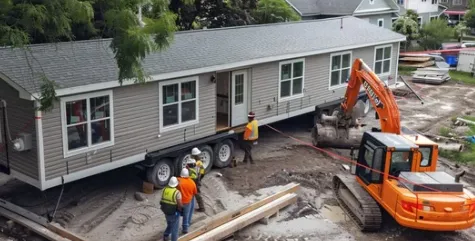
Setting a mobile home involves more than parking it on blocks. The home needs level placement within tight tolerances, proper tie-downs that meet wind load requirements, and foundation support that prevents settling. We've seen homes set by inexperienced contractors that developed floor cracks, door alignment problems, and roof leaks within months because the initial setup was off by inches. A family in Champaign hired us after their newly set home wouldn't pass inspection—the previous contractor used improper blocking and skipped required anchors. We releveled the entire home, installed code-compliant anchoring systems, and passed inspection the next day. Proper setting prevents thousands in repair costs and ensures your home stays level as soil conditions change through seasons. We use precision equipment, follow HUD installation standards, and guarantee our work passes local inspections.
Our Mobile Home Setting and Installation Service Includes:
Complete Home Transport and Setting
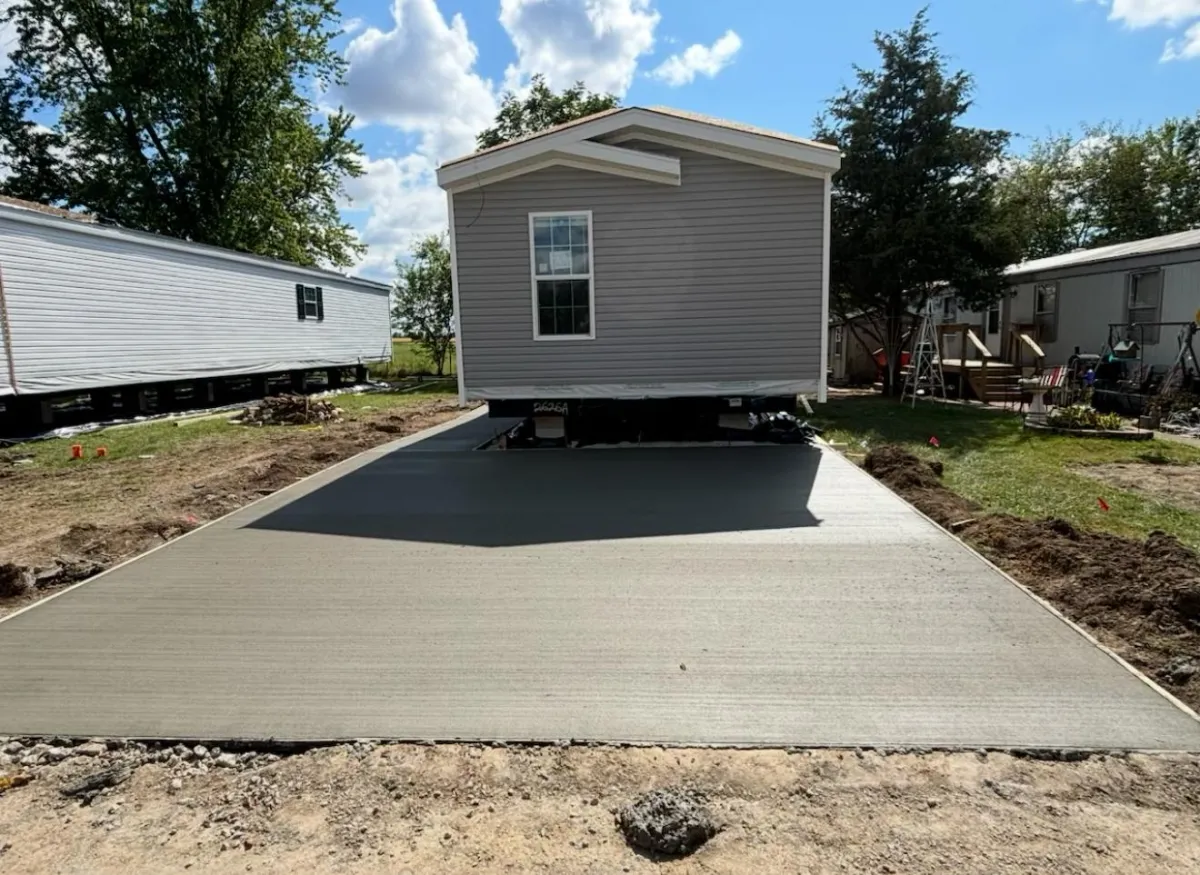
We coordinate the entire process from picking up your home at the dealer to final positioning on your prepared lot. Our transport crew handles permitting, route planning, and delivery scheduling. Once on site, we position your home precisely, level it within specifications, install tie-downs and blocking, and connect sections for multi-wide homes. You get one crew responsible for the entire installation from start to finish.
Releveling Existing Homes
Mobile homes settle over time as soil shifts and blocking deteriorates. We relevel homes that have developed floor slopes, doors that won't close properly, or gaps between sections. Our crew jacks the home safely, replaces failed blocking with proper support, and returns everything to level. Releveling prevents further structural damage and makes your home comfortable again.
Anchoring System Installation
Wind anchors keep your mobile home secured during storms. We install ground anchors or concrete piers with straps attached to your home's frame according to local wind zone requirements. Each installation meets HUD anchoring standards and passes inspection. Proper anchoring is legally required in most areas and protects your investment during severe weather.
Our Simple 3-STEP Mobile Home Setting and Installation PROCESS
1
Site Preparation and Planning
We inspect your prepared lot to verify it's graded properly, has adequate drainage, and meets local setback requirements. You show us where utilities will connect. We review your home's specifications and calculate blocking locations, anchor positions, and leveling requirements. Transport gets scheduled and permits filed with appropriate authorities.
2
Delivery and Positioning
Our transport crew delivers your home to the site and positions it on temporary supports. We use laser levels and precision equipment to position the home exactly where it needs to sit. For multi-section homes, we align sections and prepare them for marriage. Foundation piers or blocking get installed at load-bearing points specified by the manufacturer.
3
Leveling, Anchoring, and Inspection
We level your home within HUD tolerances, checking multiple points throughout the structure. Tie-downs get installed at required locations and tensioned correctly. For multi-wides, we complete the marriage process and seal the roof connection. Once everything checks out, we schedule inspections with local authorities. Your home doesn't get released until all inspections pass.
Ready to get started?
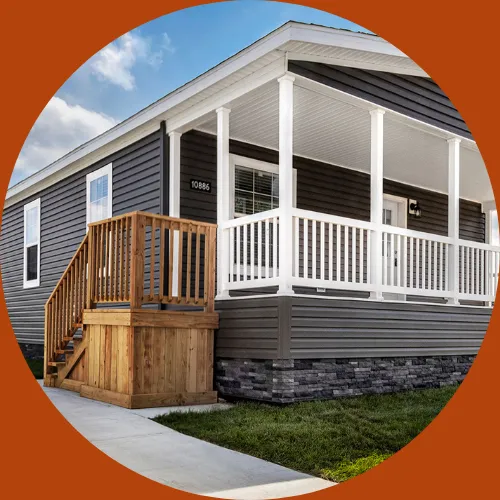
Mobile home arriving soon? Rehab project getting out of hand? Utility hookups holding you up?
We handle Tough Mobile Home Repairs. Call us today!
Frequently Asked Questions
Got Questions? We’ve Got Answers!
How much does mobile home setting cost?
Single-wide setting typically costs $3,000 to $5,000, while double-wides range from $5,000 to $8,000. Costs vary based on home size, site accessibility, distance from road, and local soil conditions. Difficult sites with steep slopes or poor access cost more. We provide written estimates after evaluating your specific property and home.
How long does it take to set a mobile home?
Complete setting takes 3 to 7 days depending on home size and site conditions. Single-wides on prepared lots take less time than multi-section homes requiring marriage work. The timeline includes delivery, positioning, leveling, anchoring, utility rough-in, and final inspections. Weather delays are possible, especially during wet conditions.
What does HUD-approved setting mean?
HUD sets installation standards that manufactured homes must meet for proper setup. These standards cover foundation support, leveling tolerances, anchoring requirements, and marriage procedures for multi-section homes. We follow HUD guidelines and local codes for every installation. Homes not set to HUD standards may fail inspection or lose warranty coverage.
Can you set a mobile home on any type of land?
Mobile homes can be set on most land types if the site is properly prepared. The lot needs adequate grading, good drainage, stable soil, and clearance from flood zones. Extremely steep slopes or very soft soil require additional foundation work. We evaluate your property during the planning phase and recommend any needed site improvements.
Do I need permits to set a mobile home?
Yes, permits are required for mobile home installation in most counties. Permit requirements cover foundation work, tie-downs, utility connections, and final setup inspections. We handle all permit applications and coordinate required inspections. Operating without permits can result in fines and difficulties when selling your property later.
What if I have more questions?
You can reach us at (217) 480-6344 or email us at [email protected] for more information — we’re always happy to help.
Everything You Need to Know Before Booking our Mobile Home Services services.


Get Help in 30 Minutes!
HUD Licensed Mobile Home Specialists
Contact Us
Social


Quick Links
Services
Locations
